
Meeting shoppers where they shop: what Müller learned from online redemption
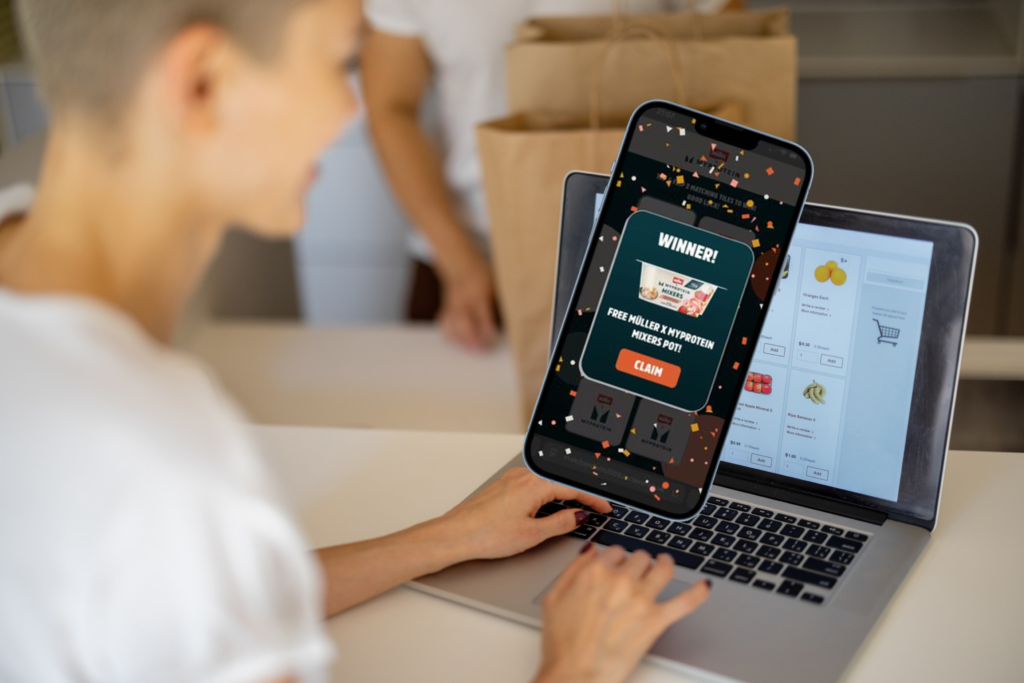
Some shoppers head for the aisle, some fill a basket on their phone, and many do both. Müller’s Perfect Match campaign let winners redeem in-store or online, and 62.72% of vouchers were redeemed. Here’s what that means for your next promotion.
The HFSS goalposts are moving. Where does that leave promotions?
Two-thirds of end-of-aisle products could soon count as HFSS. Where does that leave promotions?
The HFSS rules are ten months old in England, a few weeks old in Scotland, and already set to change.
3 Things We Learned from Our Webinar with Müller last week
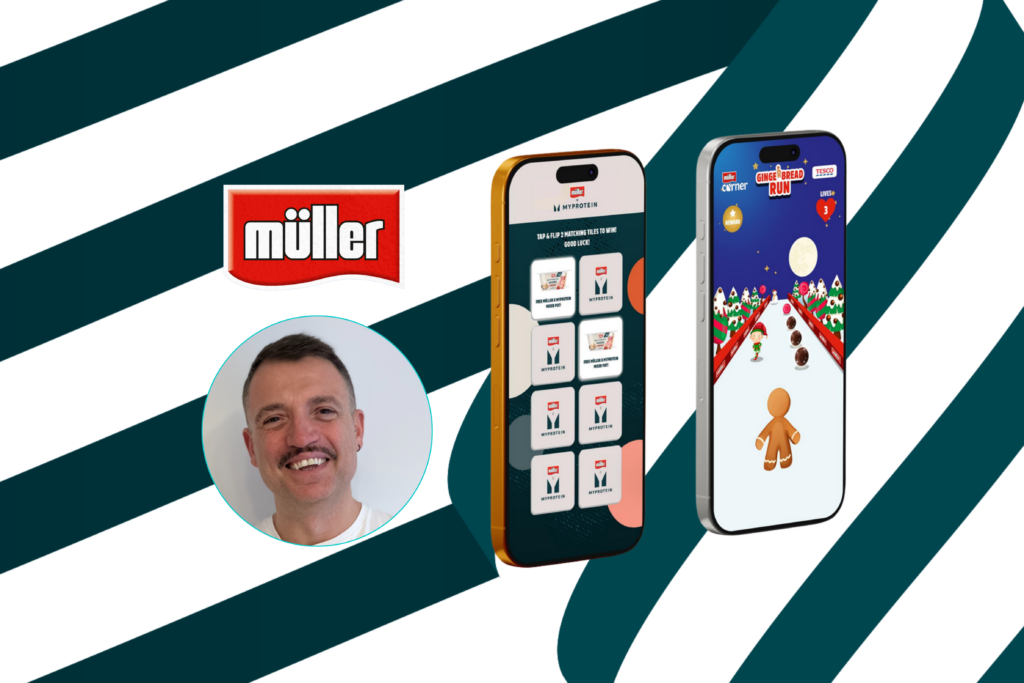
Recently, savi welcomed Neil Sharp, Senior Shopper Marketing Manager at Müller, to discuss the learnings behind two very different shopper activations: Müller Corner Gingerbread Run and Müller x MyProtein Perfect Match.
Why Christmas and gamification are a winning combination for brands

Christmas is one of the few times of year when shoppers are actively looking for value.
In our latest shopper research, 1 in 3 consumers told us Christmas is the time of year they’d most like to receive coupons and rewards. At the same time, 77% said they’re more likely to play a game or enter a prize draw when they know a reward is waiting for them.
Together, those insights point to a significant opportunity for brands this festive season.
savi Smart Rewards in the news
Top 6 adtech tools this week: Pubmatic, Jellyfish, AdRoll, Frontify, Unbounce and Savi
From a new governance architecture for agentic ads to Unbounce’s latest MCP Server, here’s our round-up of new ways to power up your tech stack.
Introducing savi Smart Rewards: Closing the Gap Between Campaign and Purchase
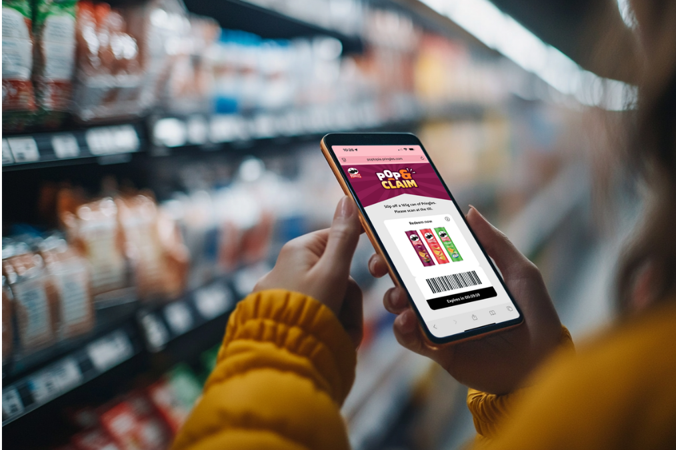
Most promotional campaigns do exactly what they’re built to do. A striking on-pack design. A well-placed retail media buy. A five-second video that stops a shopper mid-scroll. Then, more often than not, that shopper walks away – and the budget behind that moment doesn’t follow them home.
Why Trade Marketing Matters More Than Ever
Brands are competing for attention in increasingly crowded categories, while retailers are under constant pressure to drive sales, profitability and loyalty. At the same time, marketing budgets are being scrutinised more closely than ever, leaving little room for activity that can’t demonstrate measurable impact.
Spin to save: savi in Grocery Trader
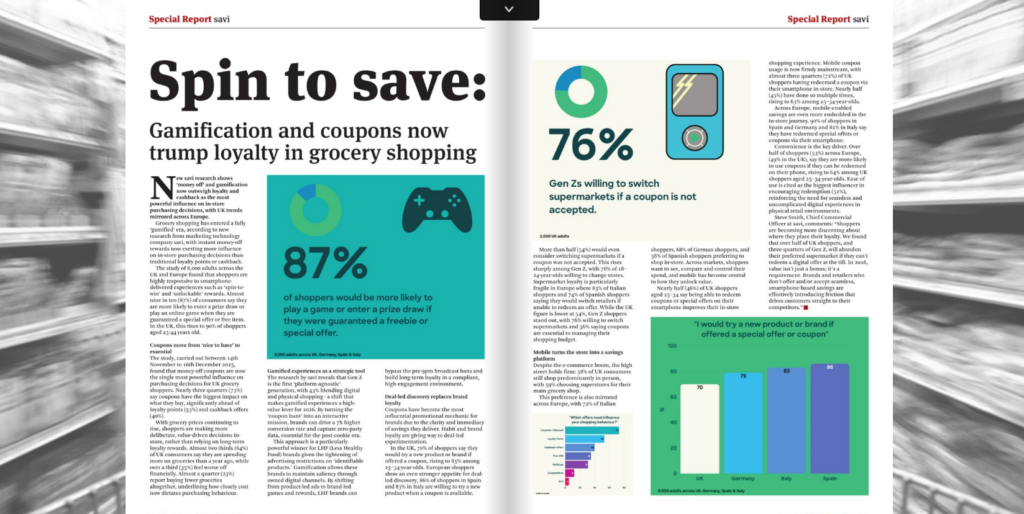
We made Grocery Trader 👀
Our latest research on gamification and coupons in grocery shopping has been picked up by Grocery Trader — and the findings are striking.
87% of shoppers would be more likely to play a game or enter a prize draw if guaranteed a freebie or special offer. Coupons are now the single most powerful influence on in-store purchasing decisions — outweighing loyalty points and cashback. And 76% of Gen Z shoppers say they’d switch supermarkets if a coupon isn’t accepted.
The era of ‘nice to have’ loyalty is over. Shoppers want instant, flexible value — and brands that don’t deliver are losing them to competitors.
Read the full piece here:
Lidl’s loyalty shake-up is a wake-up call for FMCG brands
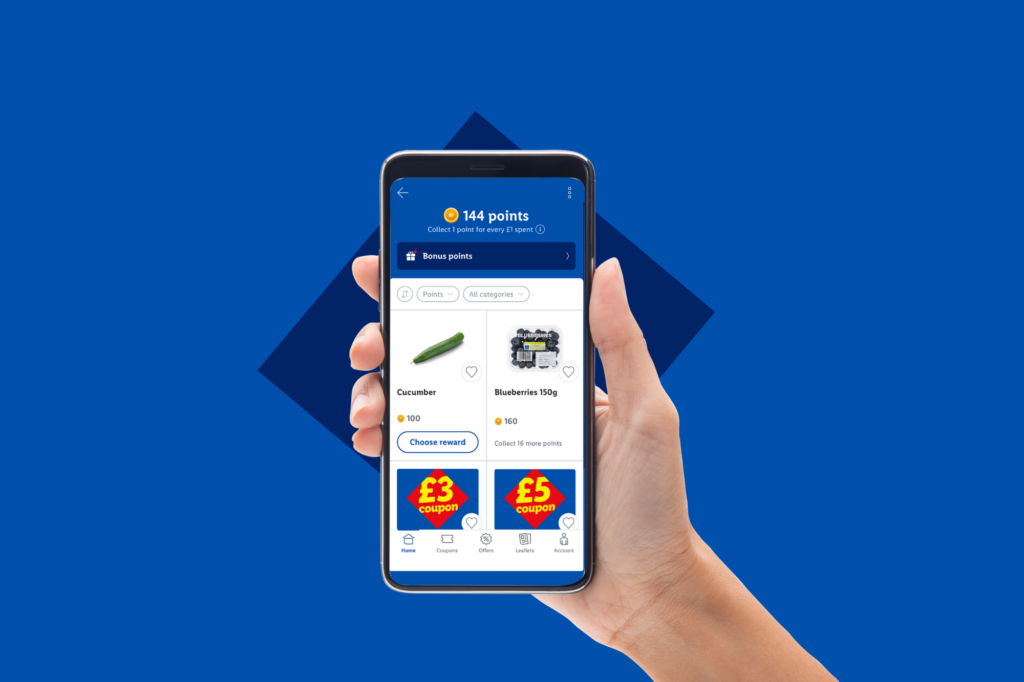
Lidl didn’t change its loyalty scheme quietly. This week, the discount supermarket scrapped its longstanding system of free vegetables, pastries and spending-based rewards — replacing everything with a points model similar to those offered by Tesco, Sainsbury’s and most of the mainstream grocery pack.
Product Recalls are rising. Here’s what the best brands – and their Consumer Care Teams – do differently
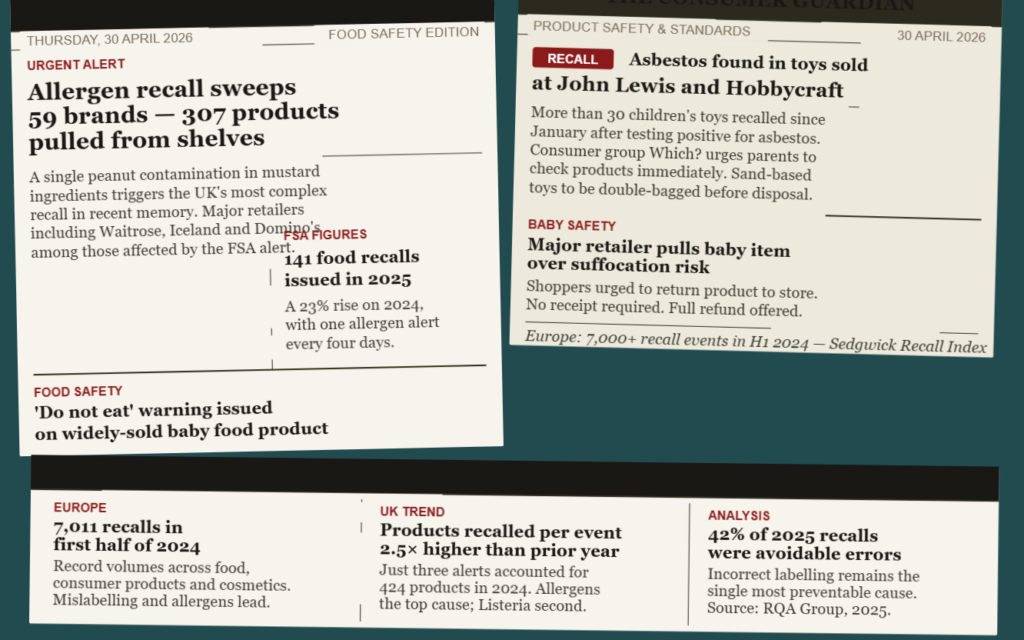
Product recalls are an unavoidable and expensive reality for FMCG brands and retailers. When a product recall occurs, speed and control are critical. Consumer trust, regulatory exposure, and brand reputation can be impacted within hours. Traditionally, managing a recall at the till is a clunky, manual process that relies on “hoping” the right batch is identified. But in an era where shoppers are already on edge about their spending, a mishandled recall is more than just a logistical headache; it’s a direct threat to brand loyalty.