
Meeting shoppers where they shop: what Müller learned from online redemption
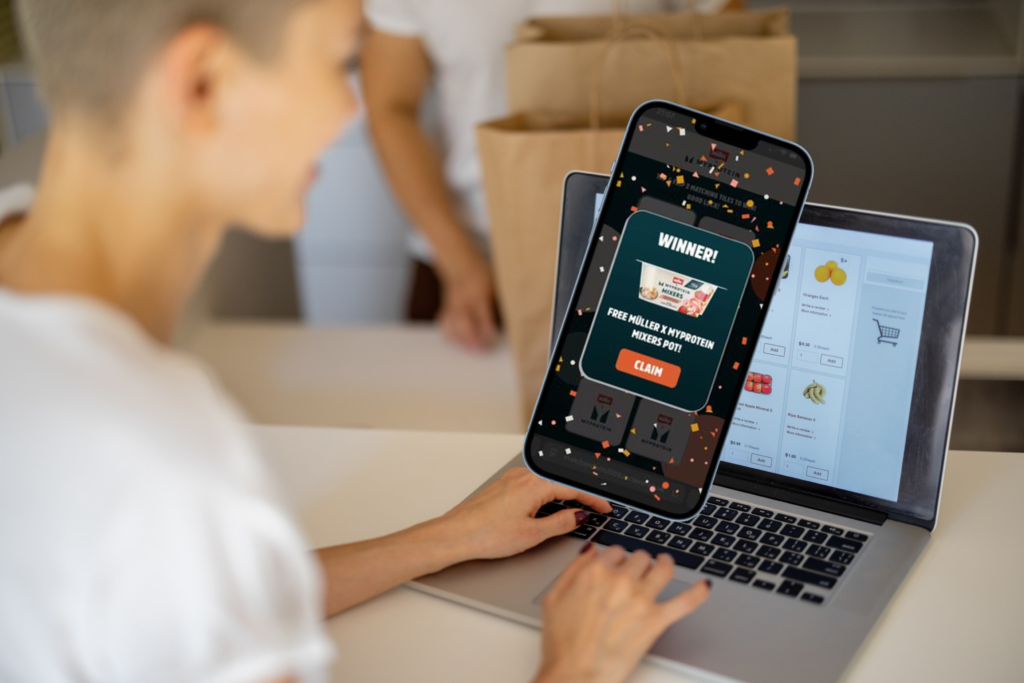
Some shoppers head for the aisle, some fill a basket on their phone, and many do both. Müller’s Perfect Match campaign let winners redeem in-store or online, and 62.72% of vouchers were redeemed. Here’s what that means for your next promotion.
The HFSS goalposts are moving. Where does that leave promotions?
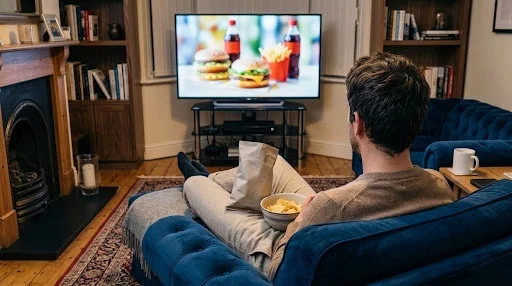
Two-thirds of end-of-aisle products could soon count as HFSS. Where does that leave promotions?
The HFSS rules are ten months old in England, a few weeks old in Scotland, and already set to change.
3 Things We Learned from Our Webinar with Müller last week
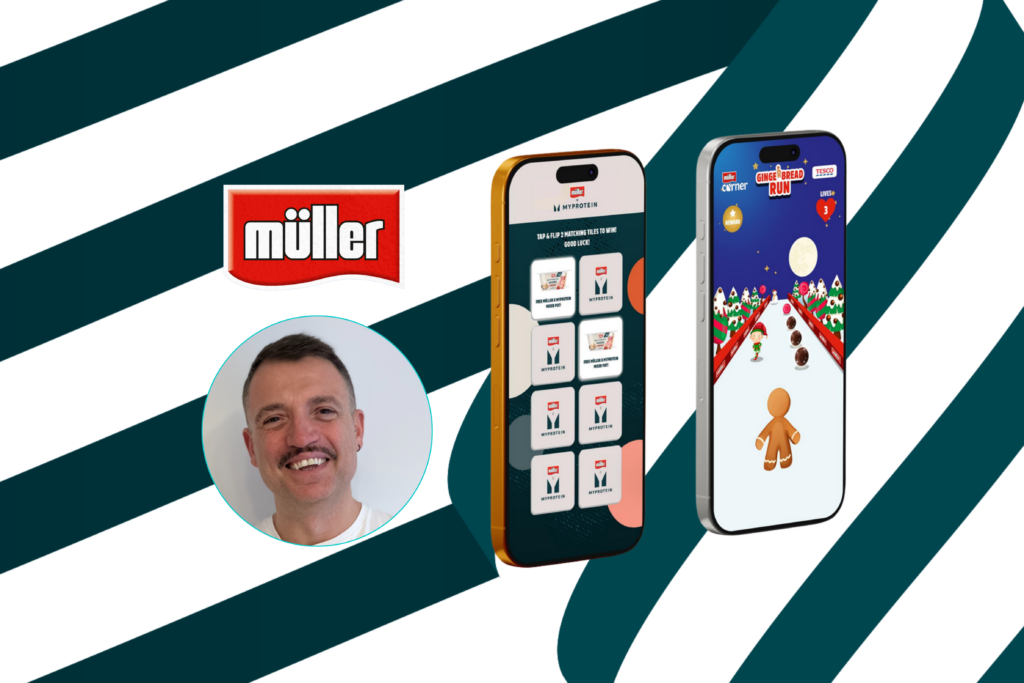
Recently, savi welcomed Neil Sharp, Senior Shopper Marketing Manager at Müller, to discuss the learnings behind two very different shopper activations: Müller Corner Gingerbread Run and Müller x MyProtein Perfect Match.
Six weeks of shoppers spending more. The World Cup is for every brand.

The FIFA World Cup kicks off in just weeks — and for FMCG brands, the planning window is closing fast. Find out why summer 2026 is the most opportunity-rich seasonal activation window outside Christmas, what makes mobile coupon campaigns convert during major sporting events, and how Müller drove 600,000+ gameplay sessions and a 100% coupon claim rate with a single seasonal campaign.
Six weeks of shoppers spending more. The World Cup is for every brand.
The FIFA World Cup kicks off in just weeks — and for FMCG brands, the planning window is closing fast. Find out why summer 2026 is the most opportunity-rich seasonal activation window outside Christmas, what makes mobile coupon campaigns convert during major sporting events, and how Müller drove 600,000+ gameplay sessions and a 100% coupon claim rate with a single seasonal campaign.
What We Spotted at the National Convenience Show 2026
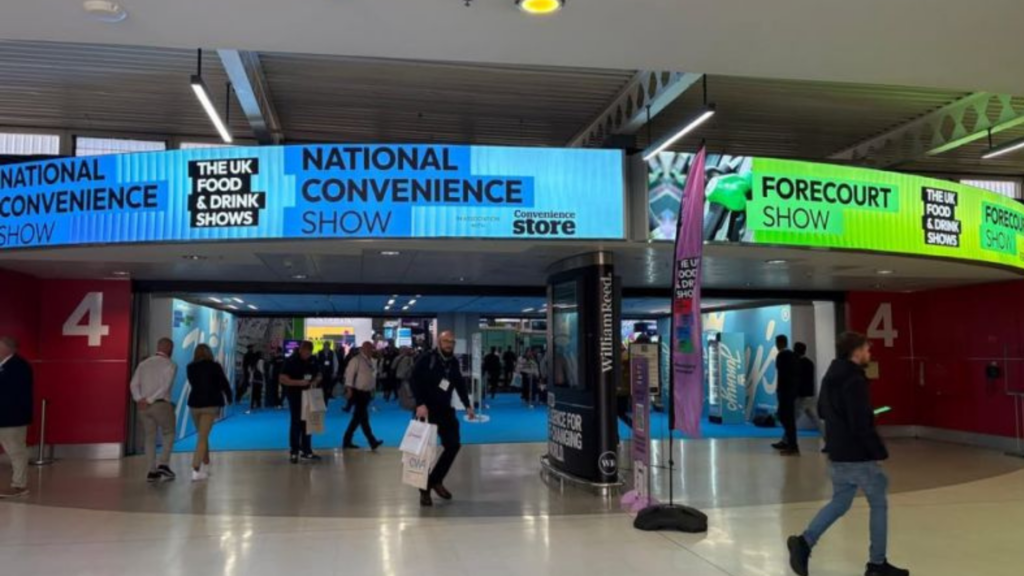
This week, the Savi team was on the ground at the National Convenience Show and Food & Drink Expo in Birmingham — two of the most important events in the UK FMCG calendar. Here are the themes that stood out, and what we think they mean for brands operating in the convenience channel.
Less Healthy Food Advertising: What the new rules really mean for brands

The new rules on advertising less healthy food and drink come into effect on 5th January 2026. These rules are part of a wider public health effort to tackle obesity and improve nutrition, building on existing HFSS (High Fat, Salt, Sugar) promotion regulations that already limit in-store promotions, multi-buy offers, and other marketing practices aimed at children. The restrictions will significantly limit paid online advertising and pre-9pm TV spots for products that fall into the “less healthy” category, forcing brands to rethink how they communicate and engage with consumers.
Think. Nudge. Convert: Highlights from our behavioural science webinar

Behavioural science isn’t just theory. It is changing the way FMCG brands understand and influence shopper behaviour. At our recent webinar about driving purchase with behavioural science, Andrew Watts from KHWS revealed how unconscious decision-making, digital coupons and fresh category data are reshaping the path to purchase in 2025.
Less means more: How brands use scarcity to drive sales

n this article, we look at how brands can use behavioural science—specifically the “Less Means More” trigger—to drive action with mobile coupons and digital rewards. From creating urgency to building FOMO, we explore how scarcity can turn limited-time offers into powerful tools for influencing shopper behaviour and delivering measurable results.
Mobile coupons as first-party data drivers: Unlocking new consumer insights for brands and retailers
As the line between online and offline shopping continues to blur, mobile coupons are emerging as a powerful tool that not only enhances customer engagement and drives conversions, but also provides new data and insights not seen before. Retail Media Age asked our CCO Steve Smith for his opinion.