
Product Recalls are rising. Here’s what the best brands – and their Consumer Care Teams – do differently
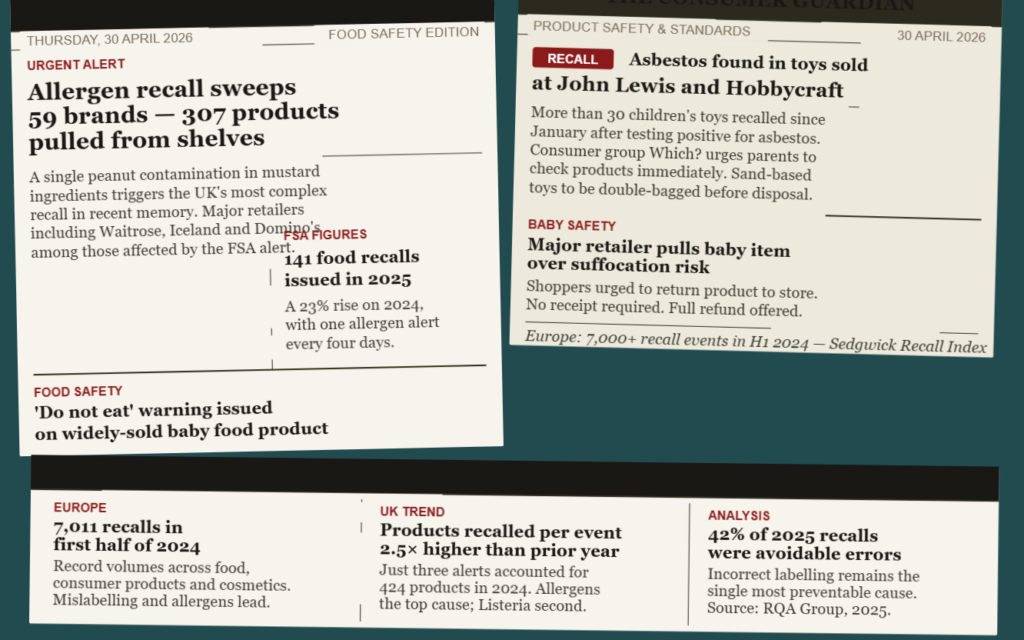
Product recalls are an unavoidable and expensive reality for FMCG brands and retailers. When a product recall occurs, speed and control are critical. Consumer trust, regulatory exposure, and brand reputation can be impacted within hours. Traditionally, managing a recall at the till is a clunky, manual process that relies on “hoping” the right batch is identified. But in an era where shoppers are already on edge about their spending, a mishandled recall is more than just a logistical headache; it’s a direct threat to brand loyalty.
Six weeks of shoppers spending more. The World Cup is for every brand.

The FIFA World Cup kicks off in just weeks — and for FMCG brands, the planning window is closing fast. Find out why summer 2026 is the most opportunity-rich seasonal activation window outside Christmas, what makes mobile coupon campaigns convert during major sporting events, and how Müller drove 600,000+ gameplay sessions and a 100% coupon claim rate with a single seasonal campaign.
What We Spotted at the National Convenience Show 2026
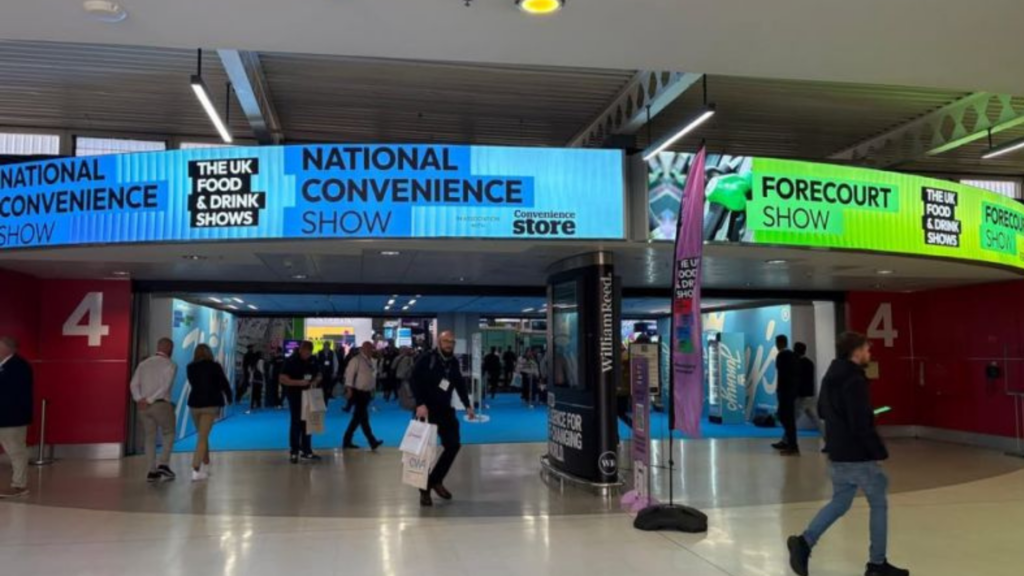
This week, the Savi team was on the ground at the National Convenience Show and Food & Drink Expo in Birmingham — two of the most important events in the UK FMCG calendar. Here are the themes that stood out, and what we think they mean for brands operating in the convenience channel.
The New Value Exchange: Why Coupons Are Now Your Best Route to First-Party Data
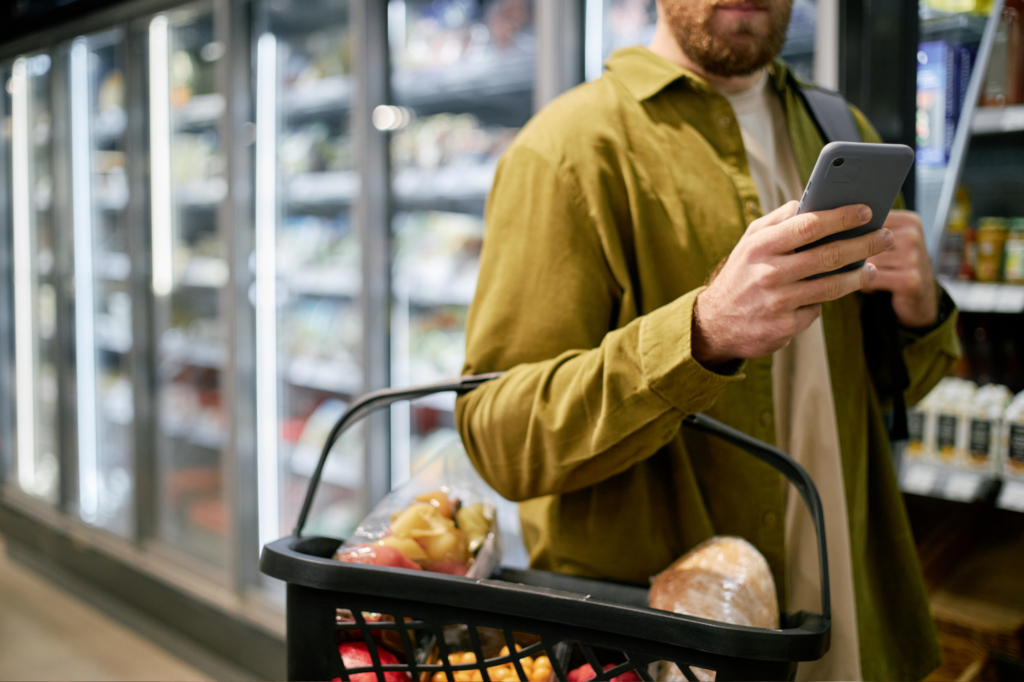
72% of UK shoppers will share personal data for a coupon. Here’s what a well-structured mobile coupon campaign actually captures — and what to do with it.”The deprecation of third-party cookies has pushed FMCG brands to lean harder on CRM: more sign-up prompts, more loyalty programme pushes, more gated content. But in grocery, loyalty card data stays with the retailer. A brand selling across Tesco, Sainsbury’s, Morrisons and Co-op simultaneously doesn’t own any of it — they get aggregated, anonymised sales data at best.
2026 savi Shopper Report: What UK shoppers really want.
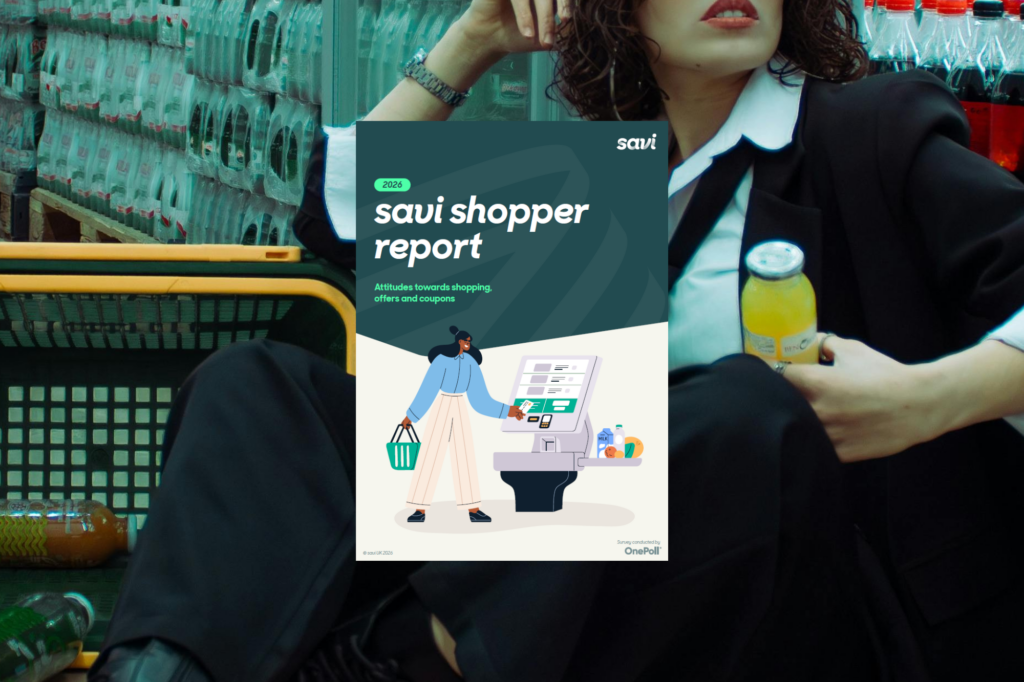
The 2026 savi Shopper Report reveals how UK shoppers really feel about coupons, promotions and loyalty schemes — and what that means for your FMCG marketing strategy. Download the free report today.
What Do Shoppers Really Want in 2026? Here’s What the Data Says

Shoppers are under pressure, their habits are shifting, and the brands winning at shelf are the ones who understand exactly what motivates them. Every year, savi surveys 2,000 UK shoppers to find out how they really feel about spending, saving, and the promotions that influence their choices. The results of our 2026 Shopper Report – recently published in The Grocer – are in, and there’s plenty to get excited about.
Turning Product Recalls into Customer Care in 2026

Product recalls are an unavoidable and expensive reality for FMCG brands and retailers. When a product recall occurs, speed and control are critical. Consumer trust, regulatory exposure, and brand reputation can be impacted within hours. Traditionally, managing a recall at the till is a clunky, manual process that relies on “hoping” the right batch is identified. But in an era where shoppers are already on edge about their spending, a mishandled recall is more than just a logistical headache; it’s a direct threat to brand loyalty.
Spin to save: gamification and coupons now trump loyalty in grocery shopping
Product recalls are an unavoidable and expensive reality for FMCG brands and retailers. When a product recall occurs, speed and control are critical. Consumer trust, regulatory exposure, and brand reputation can be impacted within hours. Traditionally, managing a recall at the till is a clunky, manual process that relies on “hoping” the right batch is identified. But in an era where shoppers are already on edge about their spending, a mishandled recall is more than just a logistical headache; it’s a direct threat to brand loyalty.
The HFSS opportunity no one’s talking about: Why coupons could rewrite 2026 media strategy
Couponing remains one of the few compliant ways for brands to put LHF products directly in front of consumers. What happens now that the secret’s out – Media Leader asked savi to explain further.
Our latest savi Shopper Report reveals a coupon surge redefining UK grocery loyalty
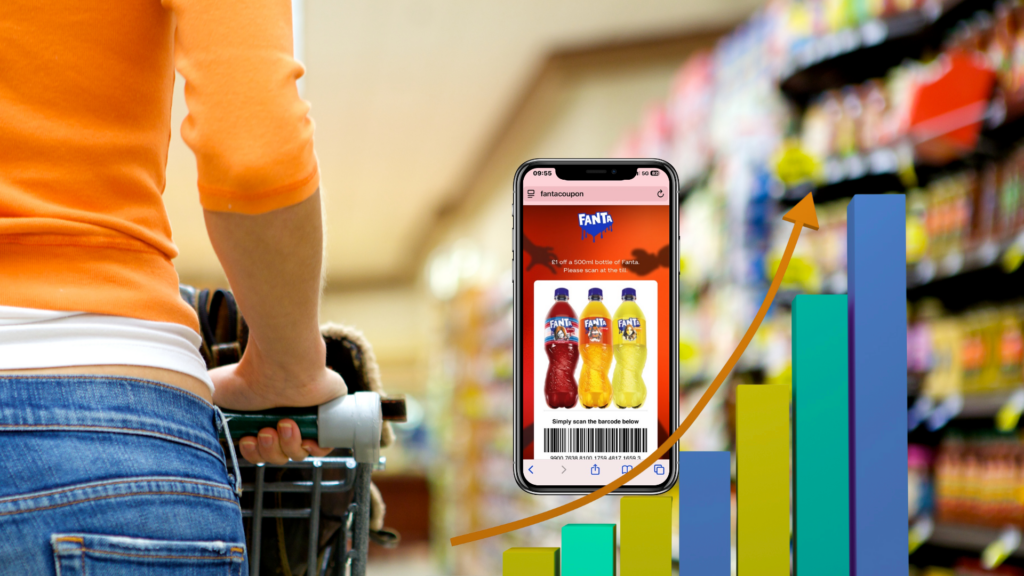
As we prepare to launch our comprehensive 2026 UK Shopper Report this February, the data has revealed a shift we can’t ignore. We are seeing a massive “coupon surge” across the UK grocery landscape.