
The new rules on advertising less healthy food and drink come into effect on 5th January 2026. These rules are part of a wider public health effort to tackle obesity and improve nutrition, building on existing HFSS (High Fat, Salt, Sugar) promotion regulations that already limit in-store promotions, multi-buy offers, and other marketing practices aimed at children. The restrictions will significantly limit paid online advertising and pre-9pm TV spots for products that fall into the “less healthy” category, forcing brands to rethink how they communicate and engage with consumers.
While these rules may feel restrictive, they also represent an opportunity for brands to innovate. Those who plan ahead, invest in creative brand-building, and explore new ways to drive engagement and action will start 2026 with a clear advantage.
From product-led to brand-led creativity
For years, food and drink advertising has relied on product imagery, packaging, and flavour-led activations to capture attention. That approach will be far less viable under the new rules. Brands now need to tell stories that resonate without relying on product shots – creating cultural relevance, distinctive identity, and narrative-driven campaigns.
This is an opportunity for strong brands to reinforce equity and engagement. Those without well-established creative platforms may find adaptation more challenging.
 Engagement and action beyond paid ads
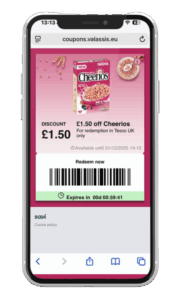
With paid online advertising for restricted products curtailed, brands will need to lean on organic channels, influencer partnerships, and campaigns that encourage participation. Incentives like coupons can be a highly effective part of this mix, not as a workaround, but as a tool to make campaigns interactive, shareable, and actionable. A well-designed offer encourages audiences to engage, share with friends, and participate – giving campaigns real-world impact even without showing the product.
Rethinking media, partnerships, and strategy
Media planning will require careful navigation. Pre-9pm TV, programmatic, and social placements for restricted products will be limited, making owned channels, retail collaborations, and post-watershed advertising more critical. Strategic integration across these channels will be essential for maintaining visibility and driving results.
The Bigger Picture
Ultimately, the new rules force brands to balance brand-building with activation in new ways. Creativity, narrative, and strategic planning will matter more than ever. Those who act now – redesigning creative assets, exploring new engagement methods, and planning media with the restrictions in mind – will start 2026 ahead of the curve.
Want the Full Picture? Join us on 11th December
In our webinar with the Food & Drink Federation on Thursday 11th December, we’ll be breaking down:
- What the new rules mean in practical terms
- How brands can adapt creative, media, retail, and social strategies
- What will still be possible
- What smart advertisers should be doing now to get ahead