
Last month Google made the startling announcement that it would not be going ahead with plans to phase out third-party cookies after all, adding another twist to the ongoing data privacy debate. While this gives marketers more time to adapt, the writing is still on the wall—traditional methods of tracking users are on their way out and other major browsers like Safari and Firefox still block third-party cookies by default. So, how can marketers continue delivering personalised, effective campaigns while respecting people’s privacy?
The ever-changing timeline for third-party cookies
Google had initially planned to deprecate third-party cookies from its Chrome browser by 2022, later pushing the deadline to 2024. However, in a surprising move, Google announced it is scrapping that timeline, opting for alternatives like the Privacy Sandbox, which is designed to balance user privacy with the need for effective advertising. Whilst this delay gives marketers more time to transition, the message remains clear: third-party cookies will eventually be a thing of the past. Marketers who have relied on these cookies to track users and deliver targeted ads must start thinking about new strategies, especially as consumer privacy becomes more regulated and valued.
Are marketers ready for a cookieless future?
Despite the extension, many marketers are still unprepared for a world without third-party cookies. A recent survey by YouGov revealed that only 20% of marketers feel fully prepared for a cookieless environment and that 56% are not familiar with ad targeting methods beyond third-party cookies.
The growing complexity of data privacy regulations adds another layer of challenge. The WFA survey also found that 75% of marketers see data privacy compliance as one of the toughest aspects of their job moving forward. With privacy laws like the GDPR in Europe getting stricter, marketers need to find new, privacy-friendly ways to gather and use data.
The shift to first-party data
In this evolving landscape, first-party data—information you collect directly from your customers—is becoming more crucial than ever. Since this data is shared willingly by the customer, it’s both privacy-compliant and a solid foundation for building stronger customer relationships.
This data is highly valuable because it is gathered straight from the source, making it both accurate and reliable. Unlike third-party data, which is collected by external entities and often aggregated from various sources, first-party data gives marketers direct insight into their customers’ preferences, behaviours, and interactions with the brand.
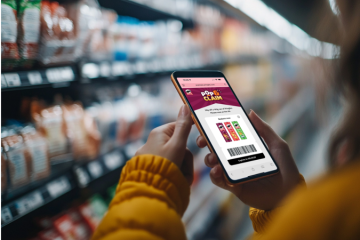
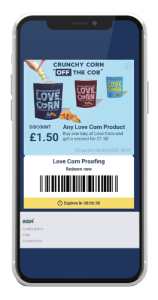
Mobile coupons are one innovative way to collect first-party data. Digital coupons not only offer something of value to your customers but also give you a direct line to collect their information—like email addresses or phone numbers—with their consent.
 Why mobile coupons are a smart move
Mobile coupons can be a game-changer for several reasons:
- Motivated data sharing: Customers are more willing to share their information when they get something in return. Offering discounts or rewards through mobile coupons gives them a good reason to provide their contact details.
- Engagement in real-time: Mobile coupons allow you to interact with customers in the moment, gathering valuable data at key points in their shopping journey.
- Better personalisation: By linking mobile coupons to a customer’s past purchases or preferences, you can offer more personalised deals. This not only drives higher sales but also helps you build a richer, more useful database.
- Privacy-friendly: Since mobile coupons usually require the customer to opt-in, they fit well with the latest privacy regulations. Customers know they’re sharing data in exchange for value, which builds trust.
Preparing for the future of digital marketing
As the marketing world moves beyond third-party cookies, the value of first-party data will only increase. Mobile coupons offer a powerful way to gather this data while building customer loyalty and enhancing personalisation. Brands that embrace these strategies will be well-positioned to thrive in a cookieless world, turning challenges into opportunities for growth and deeper customer connections.